



- Circular economy
Ecodesign for more sustainable and harder-wearing cylinder liners
The Centricast foundry and the Azterlan Metallurgy Research Centre and a member of BRTA (Basque Research and Technology Alliance) are working together to develop advanced engine components that are lighter and have better mechanical properties. They also will require fewer finishing processes and provide significant environmental improvements.
The strategies to make cars lighter involves developing less bulky and smaller components. That is also the case in internal combustion engines that have to work under combustion pressure and are exposed to high temperatures and heavy loads. Those components include the cylinder liners: metal cylindrical parts used to prevent the high combustion temperatures from damaging other internal components of the engine.
The developed solutions seek to respond to different cylinder liner markets according the life needs of the component
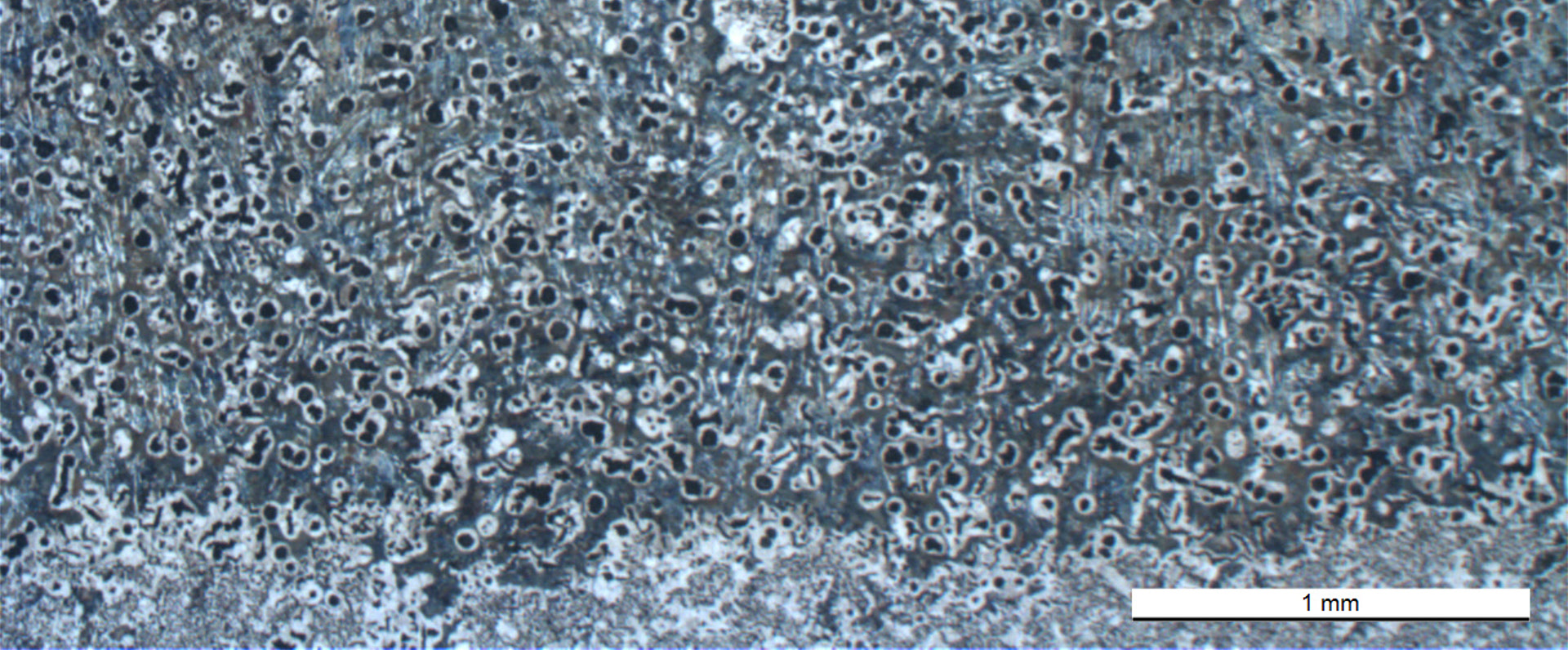
In the BICAST and BIMECAST projects, based on ecodesign and ecoinnovation, both organisations have been working on two lines of development based on creating a new spheroidal cast iron and applying new manufacturing technologies to produce bimetallic cylinder liners.
Using spheroidal cast iron instead of laminar cast iron will allow the new requirements to lighten and improve the characteristics of the components to be addressed, explained the project leaders. Furthermore, thanks to this material, and using a smaller number of alloying elements to manufacture it, savings in costs and a much better environmental impact are expected, thanks to avoiding the emission of particulates into the atmosphere and fostering the subsequent recycling of the components metals at the end of its life, they added.
In turn, the application of bimetallic casting will allow the component to be harder wearing and perform better in aggressive environments in the contact zone, while the rest of the component will consist of a cheaper metal. As Enara Mardaras, an Azterlan researcher specialised in material corrosion and protection, explained, by using the most advanced material, we will create a protective layer around the outside of the liner, where the component is most exposed to corrosive elements.
The work team will focus on optimising the manufacturing process in order to produce components that will require fewer finishing operations that will lead to significant energy savings.
Centricast is the only company in the Basque Country that uses centrifugal casting to produce cylinder liners and the first to incorporate new materials and bimetallic technology to this casting technology, mainly used to manufacture pipes and valves, which is one of the main sectors supplied by the company from Álava.
The BICAST project began in January 2020 and is expected to run until July 2021. It is financed by the IHOBE Ecoinnovation and Ecodesign for the Circular Economy Programme with the support of the European Regional Development Fund (ERDF).
The BIMECAST project is financed by the SPRI HAZITEK Programme with the support of the European Regional Development Fund (ERDF). It began in 2019 and is expected to conclude in December 2021.
Source: Ihobe