



2026ko uztailaren 14a
- Ekodiseinua
- Ingurumen-plangintza
- Ekoberrikuntza
- Ekonomia zirkularra
FURESA succeeds in reducing the weight of key railway parts by using recovered materials and minimising the use of critical materials.
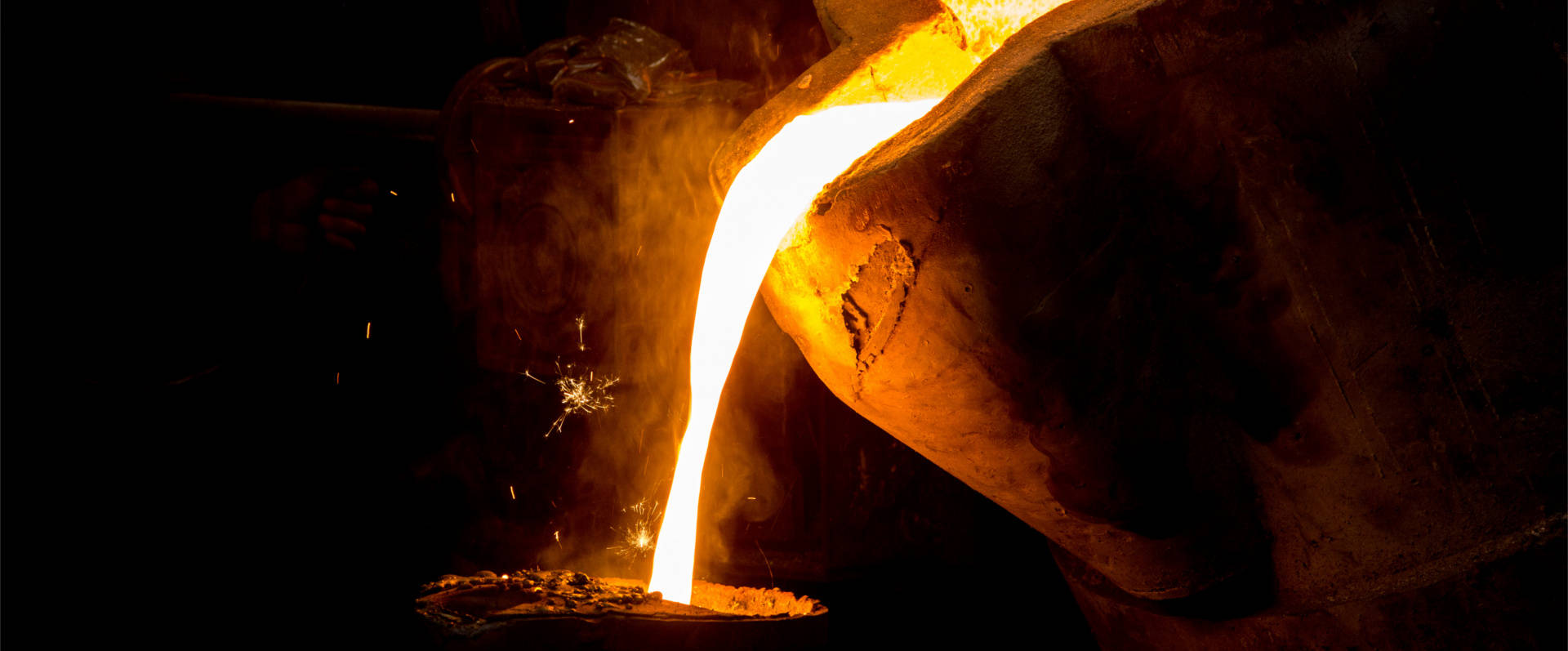
.JPG) The project, developed by FURESA and donned FUNDITREN, has received a grant of 29,000 from the Aid Programme for Circular Eco-Innovation 2020 by Ihobe, the Publicly-Owned Environmental Management Company of the Basque Government, which has ERDF funds.
The project, developed by FURESA and donned FUNDITREN, has received a grant of 29,000 from the Aid Programme for Circular Eco-Innovation 2020 by Ihobe, the Publicly-Owned Environmental Management Company of the Basque Government, which has ERDF funds. Parts used in railway brake assemblies are usually made of cast steel. However, steel, which in principle has superior mechanical properties to standard nodular iron castings, is less able to dissipate the high temperatures reached due to friction. This ability of the material to cool is considered a key factor in braking systems. Furthermore, cast steel only acquires its mechanical properties if the part is treated and processed.
Compared to steel, the casting method devised by FURESA does not entail applying heat treatment to the steel, which has a great impact on consumption and energy costs for the company. These account for approximately 20% of the total cost of the process, not to mention the resulting gas emissions.
The new process developed by the FUNDITREN project involves a greater use of secondary raw materials (scrap from automotive stamped parts) and internal returns, and fewer resources such as blast furnace ingots, which have a high environmental impact due to the use of natural resources (iron ore), energy consumption and CO2 emissions. Not only are raw materials saved, but also critical metals like copper, magnesium, and chrome.
Using the new work methodology developed by FURESA makes it possible to obtain parts required by customers at a lower cost, because it is possible to select a less costly alloy that satisfies technical requirements.
FURESA operates in eleven countries and on three continents in the wind power, rail, valves (fluids and gases), commercial vehicles, special vehicles, agricultural, lifting, mining, tools and global industries.
Iturria:Ihobe